

Completely customized according to different customer needs
Contact Us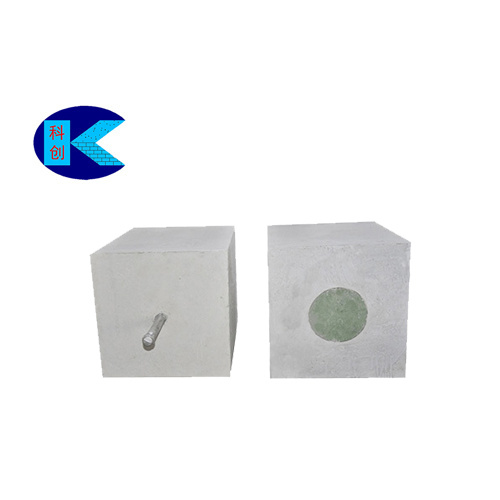
The reasons and necessity of using permeable bricks in steel ladles for steel refining
Bottom blowing of rare gases (such as argon) through the porous brick of the ladle can blow away the gas and solid impurities in the molten steel, playing a role in homogenizing the composition and temperature of the molten steel, which is very important for the refining of molten steel. Ladle refining is a steelmaking process in which the crude steel from a converter, open-hearth furnace, or electric furnace is transferred to another container for refining, also known as "secondary steelmaking".
Maintenance of the permeable bricks in the bottom gas supply components of the ladle
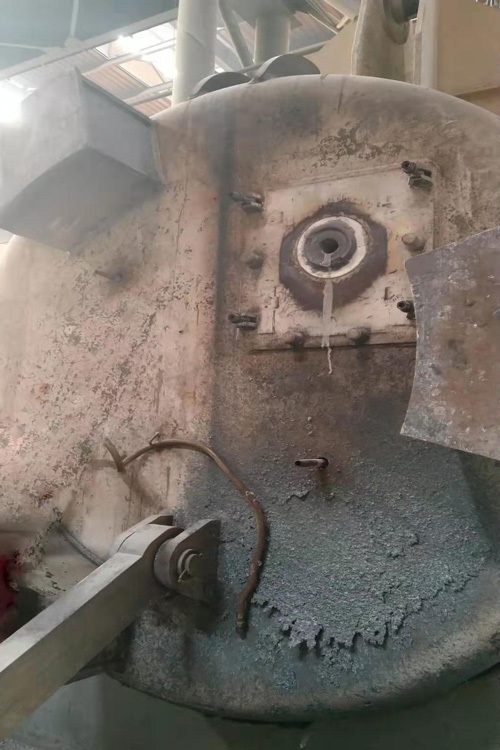
Gas supply element permeable bricks are key equipment for steelmaking converters. From their development and use, to protect the gas supply element, they are generally equipped with protective casing bricks; a more complete set is a combination of bricks, also known as integral permeable bricks.
Permeable bricks for steelmaking, intermediate vessel refractory materials
Refractory bricks used in steelmaking plants are made of materials such as corundum and spinel, mainly containing the compound Al2O3. The function of the permeable bricks in the steel ladle is to remove impurities (unwanted elements, gases, etc.) from the molten steel by bottom blowing gas and to increase the temperature of the molten steel. Some steel ladles have double-permeable bricks, and the permeable core can be replaced.
Refractory materials such as permeable bricks for ladles
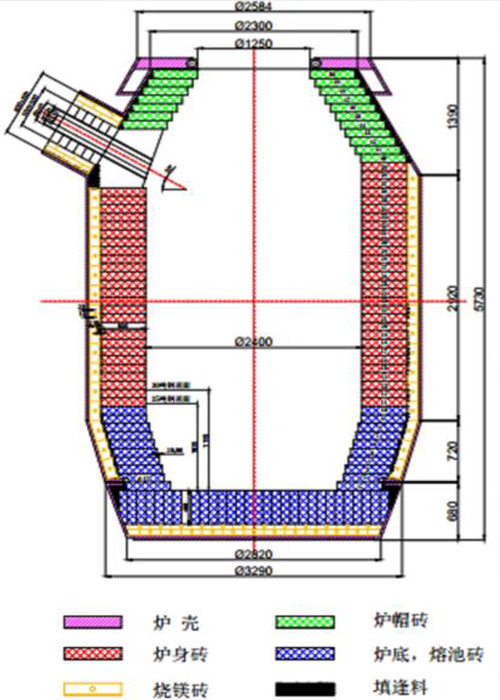
Refractory materials for steel ladles generally include those used for steel ladles and secondary refining, electric furnaces, converters, tundishes, and blast furnaces. Specific products include permeable bricks for steel ladles, electric furnace covers, tundish slag barriers, castables, and ramming materials.
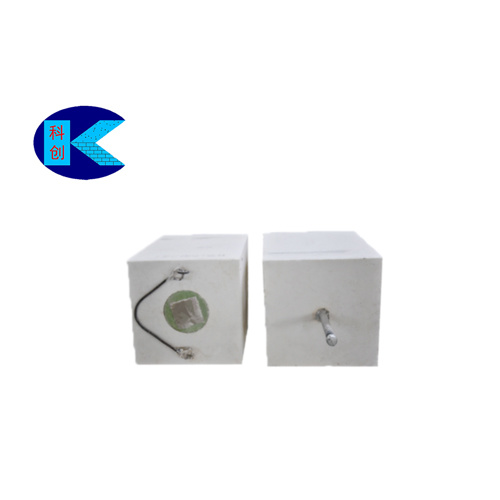
Material of steel ladle permeable bricks
The use of porous plugs in steel ladles allows for bottom-blown argon to purge gases and solid impurities from the molten steel, achieving uniform composition and temperature. The importance of this is self-evident. The material of the porous plug determines its characteristics. To achieve the goal of bottom-blown argon, the porous plug needs to possess thermal stability, erosion resistance, corrosion resistance, permeability resistance, operational safety, good gas permeability, and minimal molten steel penetration.

The technological requirements and composition of breathable bricks
In the steelmaking process, inert gas is blown through porous bricks at the bottom of the converter ladle. This is mainly to purge gases and solid impurities from the molten steel, achieving uniform steel composition and temperature. In short, porous bricks are crucial gas supply components installed at the bottom of the converter ladle.



Whatsapp:15197927236
Fax:+86-379-62117605
Email:yangsp8743@163.com
Add:No. 2 Sanchuan Road, Luoxin Park, Economic and Technological Development Zone, Xin'an County, Luoyang City, Henan Province
©2025 Luoyang Kechuang New Material Co., Ltd This website supports IPv6 Privacy Policy www.300.cn SEO