

16
2022
-
05
Main components of refractory materials such as permeable bricks, water-mouth bricks, and castables
Source: Ke Chuang Xin Cai
Release time:2022-05-16 17:35
Refractory materials are used in various industrial sectors including metallurgy, chemical processes, petrochemicals, mechanical manufacturing, and power processing, with a significant portion used in the metallurgical industry. In steelmaking, common refractory materials used in converters and refining furnaces include permeable bricks, water-cooled bricks, electric furnace covers, castables, runner brick, and magnesia-carbon bricks. These refractory materials differ significantly in their main and additive components. From a chemical perspective, refractory materials are composed of minerals such as corundum, mullite, and magnesia, with main components including alumina and magnesia. (Figure) Corundum is a major component of refractory materials, forming the refractory...
Refractory materials are used in metallurgical, chemical process, petrochemical, mechanical manufacturing, power processing, and other industrial fields, with a large amount used in the metallurgical industry. In the steelmaking industry, commonly used refractory materials on steel ladles and refining furnaces include permeable bricks, water-cooled bricks, electric furnace lids, castables, runner brick, magnesia-carbon bricks, etc. These refractory materials are different, and their main components and additives are also very different. From a chemical point of view, refractory materials are aggregates of minerals, such as corundum, mullite, magnesia, etc., with main components including alumina and magnesia.
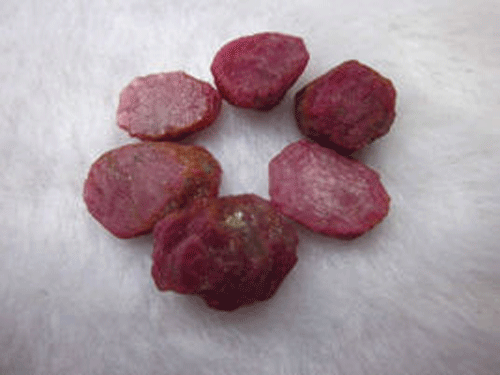
(Image) Corundum
For the main components of refractory materials, they are the matrix components that constitute the refractory property, the basis of the properties of the refractory material, and directly determine the properties of the finished refractory product. For example, permeable bricks require the use of high-quality ores and then be made through strict and reasonable procedures to ensure that the service life of permeable bricks used by steelmakers meets the requirements. The main components of refractory materials can be oxides (alumina and magnesia, etc.), or elements or non-oxide compounds (carbon, silicon carbide, etc.).
According to the properties of the main components, refractory materials can be divided into three categories: acidic, neutral, and alkaline. Acidic refractory materials are mainly materials containing acidic oxides such as silicon dioxide, with main components mainly being silicic acid or aluminum silicate, which will form salt-like substances under high temperature and alkali. The main chemical components of alkaline refractory materials are magnesia and calcium oxide, and common refractory material products include runner brick and ladle slide plates. Neutral refractory materials are strictly speaking carbonaceous and chromic refractory materials. In addition, high-alumina refractory materials (alumina content > 45%) tend to be acidic neutral refractory materials, while chromic refractory materials are slightly alkaline and tend to be neutral refractory materials. Common high-alumina refractory materials include permeable bricks, water-cooled bricks, electric furnace lids, etc.
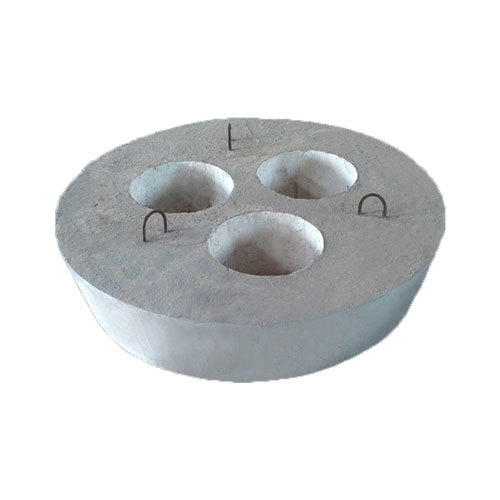
(Image) Furnace Lid
Ke Chuang Xin Cai R&D, production, and sales Permeable bricks 、 Water-cooled bricks 、 Castables And other refractory materials for 22 years, with patented formulas, unique designs, and strict and standardized execution of each process, allowing steelmakers to use them with peace of mind and comfort.
Source: Luoyang Ke Chuang Xin Material Co., Ltd.: https://www.kcnh.com/
key word:
RELATED BLOG

As the crisp autumn breeze brings coolness, fragrant osmanthus fills the air, and the full moon of the Mid-Autumn Festival illuminates the sky, we joyfully welcome the nation’s birthday. In anticipation of the dual holidays of the Mid-Autumn Festival and National Day, and in gratitude for the hard work and steadfast dedication of all employees, as well as to foster a warm and harmonious festive atmosphere, Luoyang Kexin New Materials Co., Ltd. (hereinafter referred to as “Kexin New Materials”) systematically carried out the distribution of holiday benefits on the morning of September 22, extending heartfelt holiday greetings to every employee.

On-site Observations to Gain Insights; Government–Enterprise Symposium to Accelerate IPOs
To leverage the exemplary and leading role of listed companies, stimulate the momentum of pre‑IPO enterprises on the Beijing Stock Exchange, and accelerate their integration into the capital markets, on July 16 the Municipal Government Office organized the “Visiting Listed Companies — Kexin New Materials” event. Yang Jianwen, Deputy Secretary-General of the Municipal Government, Zhang Zhengzheng, Deputy Director of the Municipal Government Office, representatives from the financial departments of several counties and districts, and heads of numerous city‑wide pre‑IPO companies gathered at Luoyang Kexin New Materials Co., Ltd. for exchanges and learning.

To deepen the integration of industry and education, promote the seamless combination of theoretical learning and industrial practice, and broaden university students’ professional horizons and employment insights, on June 26, 2026, a delegation of faculty and students from Wuhan University of Science and Technology visited Luoyang Kexin New Materials Co., Ltd. for a site visit and exchange, gaining an immersive understanding of the company’s production operations and technological innovation across the board.



Whatsapp:15197927236
Fax:+86-379-62117605
Email:yangsp8743@163.com
Add:No. 2 Sanchuan Road, Luoxin Park, Economic and Technological Development Zone, Xin'an County, Luoyang City, Henan Province
©2025 Luoyang Kechuang New Material Co., Ltd This website supports IPv6 Privacy Policy www.300.cn SEO